Log in
Enquire now
‌

Effects of Intranasal Ketamine on Depression and Anxiety in Palliative Care Cancer Patients

OverviewStructured DataIssuesContributors

Contents

clinicaltrials.gov/study/NCT06665568
Is a
‌
Clinical study
0

Clinical Study attributes

NCT Number
NCT066655680
Health Conditions in Trial
‌
Caregiver burden
0
‌
Anxiety
0
Trial Recruitment Size
1000
Trial Sponsor
University of Zurich
0
Clinical Trial Start Date
2024
0
Primary Completion Date
2025
0
Study Completion Date
2026
0
Clinical Trial Study Type
Interventional0
Interventional Trial Purpose
Treatment0
Intervention Type
Drug0
Interventional Trial Phase
Early Phase 10
Official Name
Keta-Care - Antidepressant and Anxiolytic Effects of Intranasal Ketamine Self-administration in Palliative Care Cancer Patients: an Open-label Feasibility Study0
Last Updated
October 30, 2024
0
Allocation Type
Non-Randomized0
Intervention Model
Single Group Assignment0
Masking Type
None (Open Label)0

Other attributes

Intervention Treatment
Intranasal ketamine hydrochloride0
Study summary

With progression of cancer, patients and their caregivers experience challenging emotional distress, which can make them feel depressed and very anxious. Patients with advanced cancer often do not have long to live. However, most antidepressants take a long time to act and cause unwanted side effects. There is hence a need for a fast acting antidepressant with fewer unwanted side effects. Ketamine is an effective and fast acting antidepressant originating from pain treatment, which has few unwanted side effects. It can be taken by a patient as a nasal spray when it is needed. The idea of treating depression and anxiety in cancer patients in palliative care with ketamine nasal spray is new. We do not know how effective ketamine will be at reducing depression and anxiety in patients . We also do not know whether this kind of treatment will be safe and practical for palliative care patients. We want to answer these questions in our study. We are going to treat patients with a low dose (5 mg) of ketamine nasal spray and then measure its effectiveness, practicality and safety. We will measure these outcomes with questionnaires. If treating depression and anxiety with ketamine nasal spray proves to be effective, practical and safe, then we could help to improve the quality of life for palliative care patients and reduce the burden of their caregivers.

Timeline

No Timeline data yet.

Further Resources

Title
Author
Link
Type
Date
No Further Resources data yet.

References

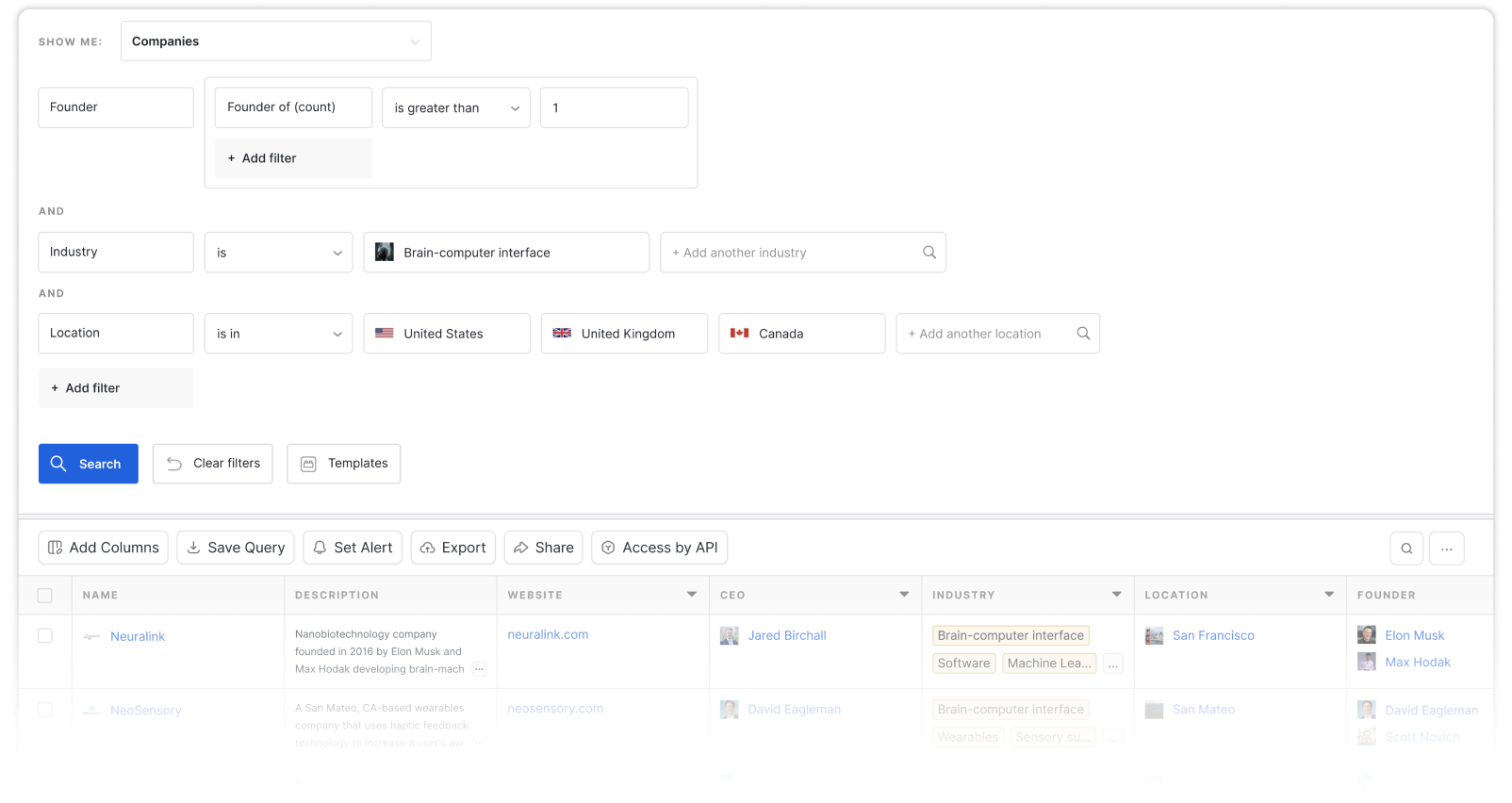
Find more entities like Effects of Intranasal Ketamine on Depression and Anxiety in Palliative Care Cancer Patients

Use the Golden Query Tool to find similar entities by any field in the Knowledge Graph, including industry, location, and more.
Open Query Tool
Access by API
Golden Query Tool
Golden logo

Company

  • Home
  • Press & Media
  • Blog
  • Careers
  • WE'RE HIRING

Products

  • Knowledge Graph
  • Query Tool
  • Data Requests
  • Knowledge Storage
  • API
  • Pricing
  • Enterprise
  • ChatGPT Plugin

Legal

  • Terms of Service
  • Enterprise Terms of Service
  • Privacy Policy

Help

  • Help center
  • API Documentation
  • Contact Us